Jane Avril
The Moment Just Before the Dance Stops
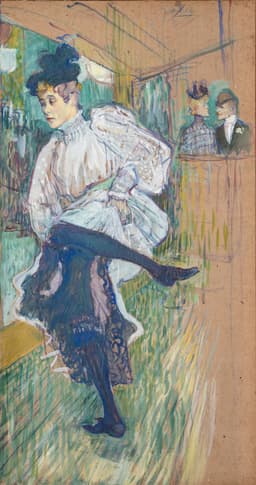
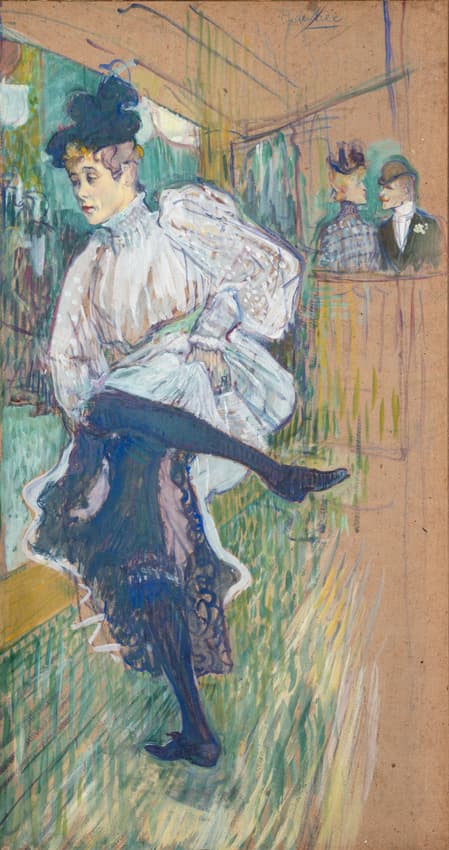
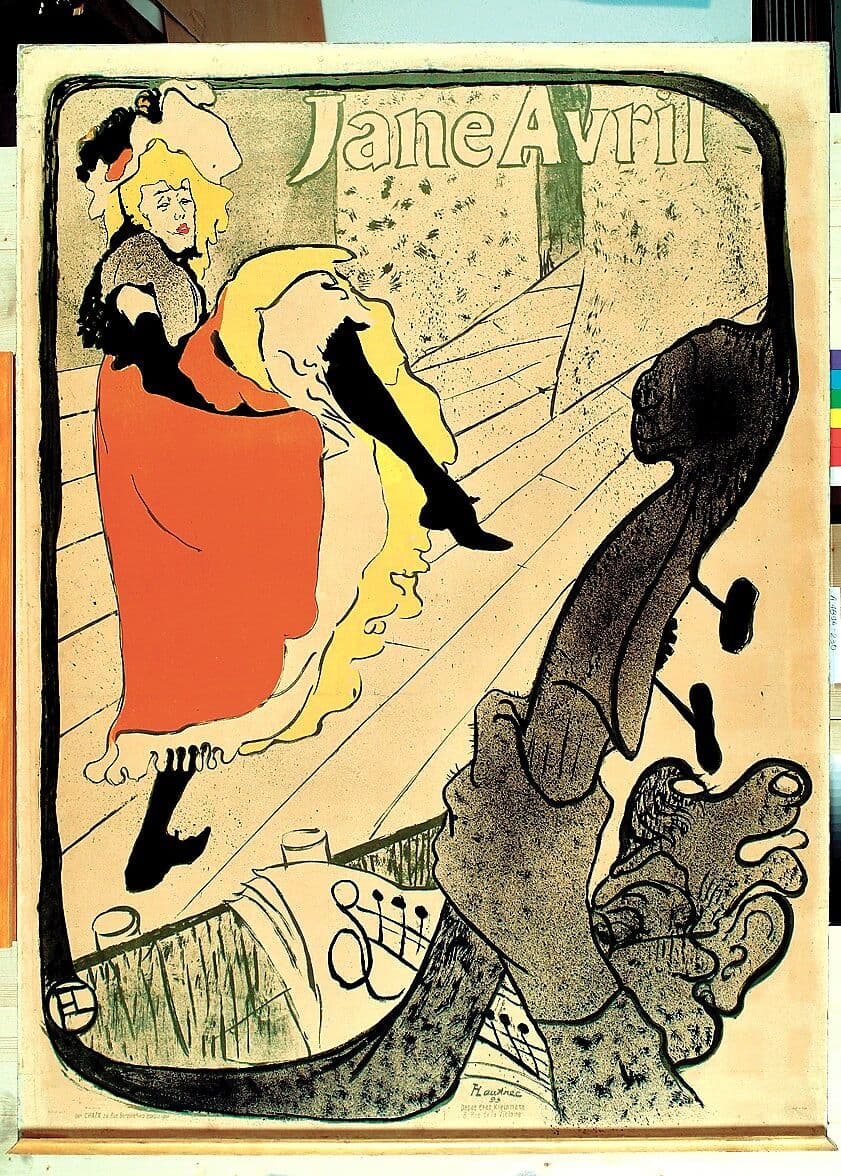
Jane Avril's leg looks as though it has just sliced through the air.
Her skirt sways lightly, and her black stocking cuts a long line across the canvas. In that instant, even the air around her seems to shudder.
This is precisely that moment. Lautrec captured the dance at the instant just before it stops.
Look at the painting slowly. The composition is surprisingly simple.
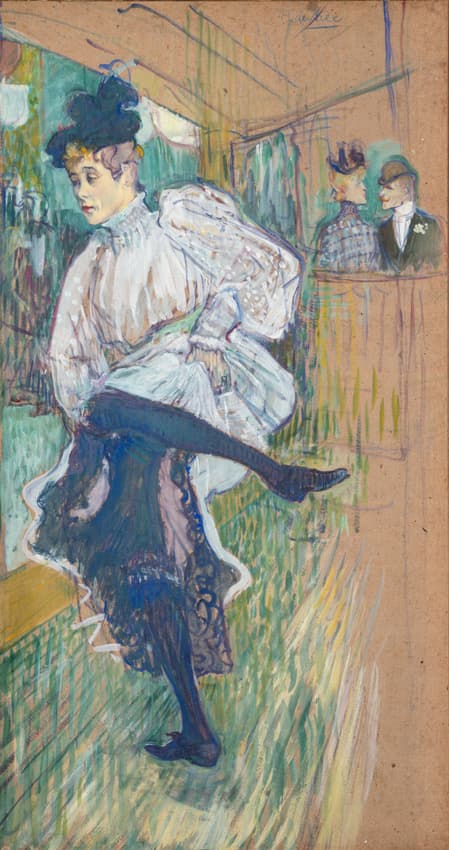
Lautrec was always a painter of extraordinary genius when it came to capturing moments like this.
Not after the dance has ended, but the very instant the dance is most alive — he locked that split-second of velocity inside the frame.
How Lautrec Painted Movement
In fact, the dynamism of this painting also comes from the paint itself.
He did not apply paint thickly as in conventional oil painting. He mixed oil paint with tempera.
Tempera is a medium made by combining pigment with a binder such as egg; when used together with oil paint, it produces a considerably lighter consistency.
Look closely at the surface, and you sense the color not as something heavily built up, but as something brushed thinly past.
As though the brush itself had moved in hurried pursuit of the dancer.
This is why Lautrec's paintings feel less like depicted scenes and more like the afterimage of a performance passing before your eyes.
The Woman Who Captivated Paris: Jane Avril
And thanks to this painting, Jane Avril became one of the most celebrated stars in Paris at the time.
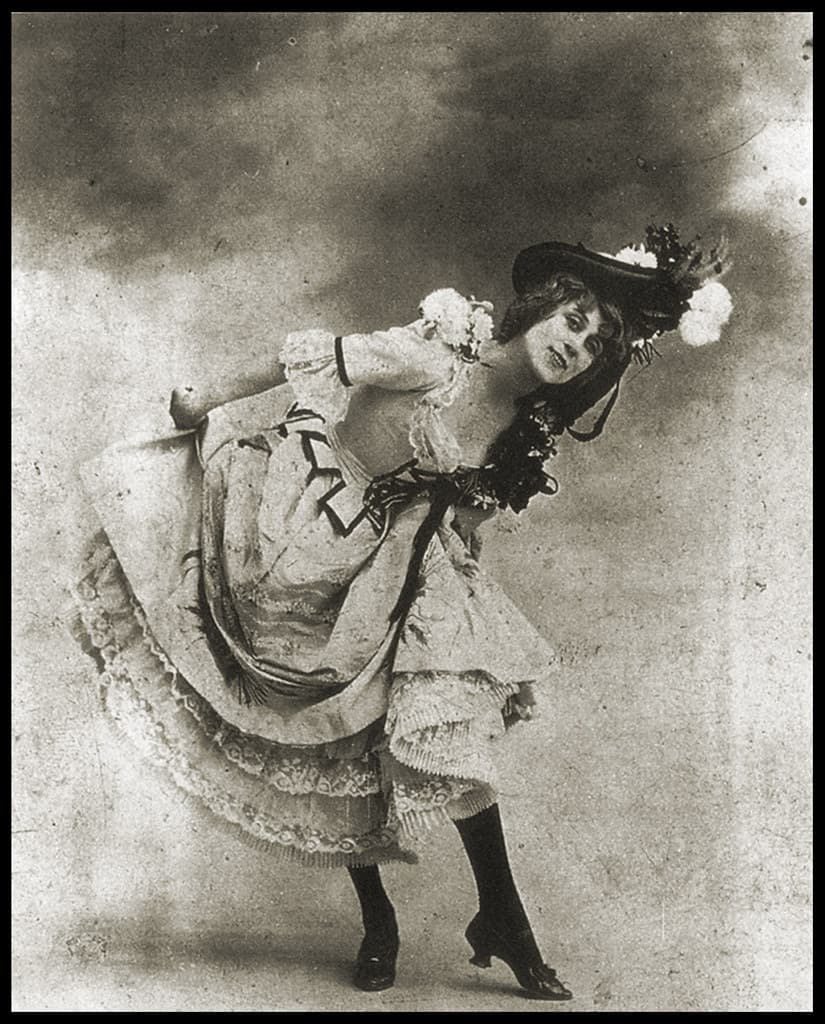
Photographs of her from that era make her all the more fascinating — a tall, slender figure, a sharp presence, and a gaze that hints at some inner unease.
She was not merely a dancer; she was an icon of Belle Époque Paris.
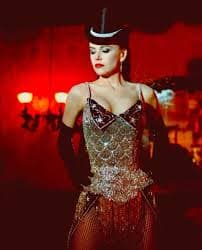
If you have seen the film Moulin Rouge!, this will feel even more familiar — the model for Satine, the greatest star dancer in that film, was none other than Jane Avril.
If you watch the film again tonight, you may find yourself seeing it a little differently.
A Life More Dramatic Than Any Painting
Shall we also look at the story of Lautrec, the man who painted this?
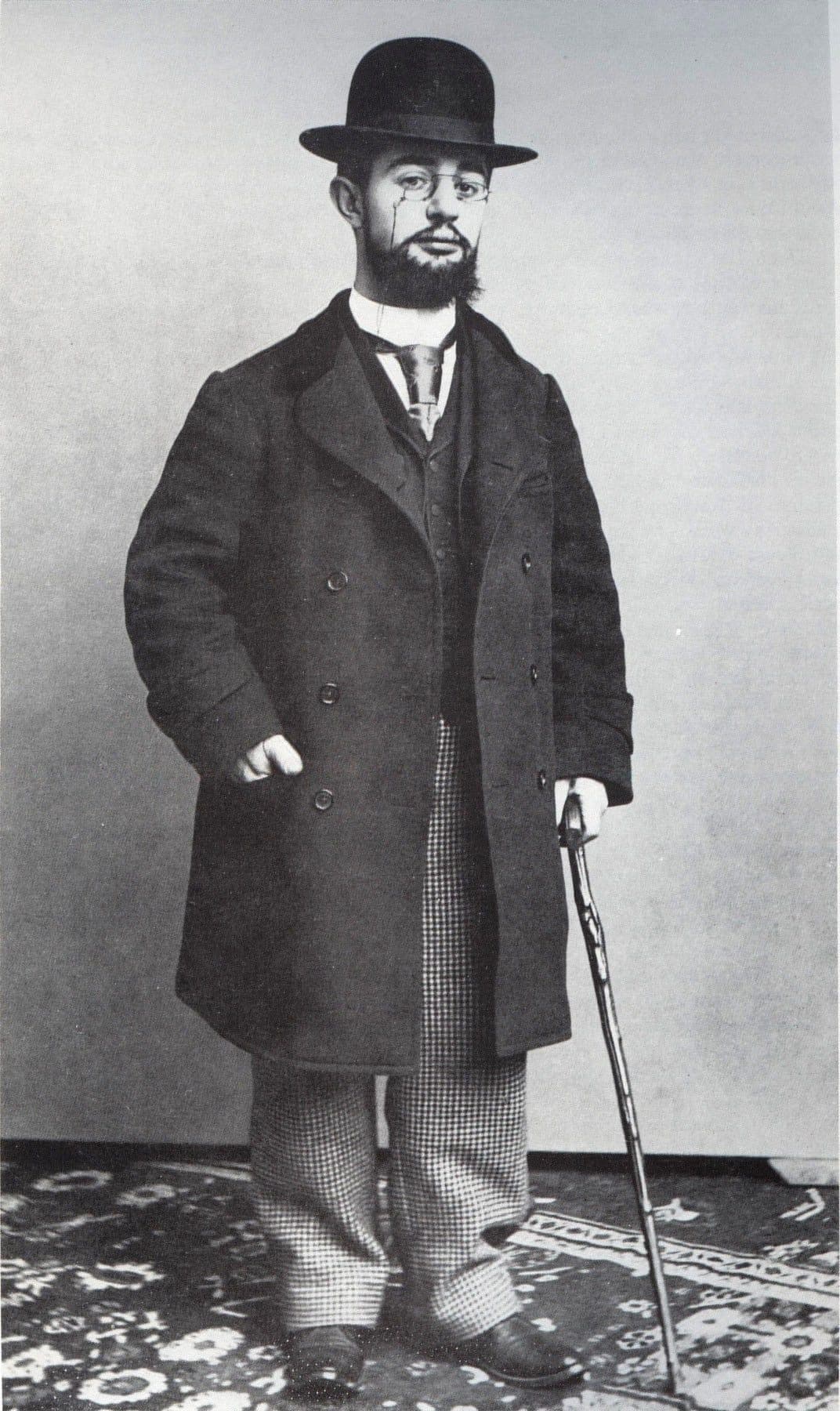
Lautrec was born into a family of counts — an aristocrat in every sense of the word. But childhood accidents broke both his legs, halting their growth. His legs remained short, and his stature was very small — remarkably slight. He could almost pass for small and cherubic in appearance.
But his inner world was never a bright one.
His father, in particular, is said to have been ashamed of a son whose body had failed to grow. That wound stayed with Lautrec for the rest of his life.
Fortunately, his mother was different. She believed in her son's gift and gave unstinting support to his artistic education.
And so Lautrec settled in Montmartre, Paris. At the time, Montmartre was a neighborhood where artists, actors, dancers, and drinkers mingled through the night. And Lautrec loved that world more than anyone.
The Man Who Chronicled the Nights of Montmartre
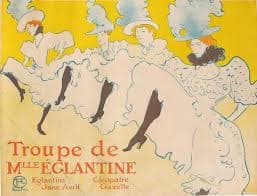
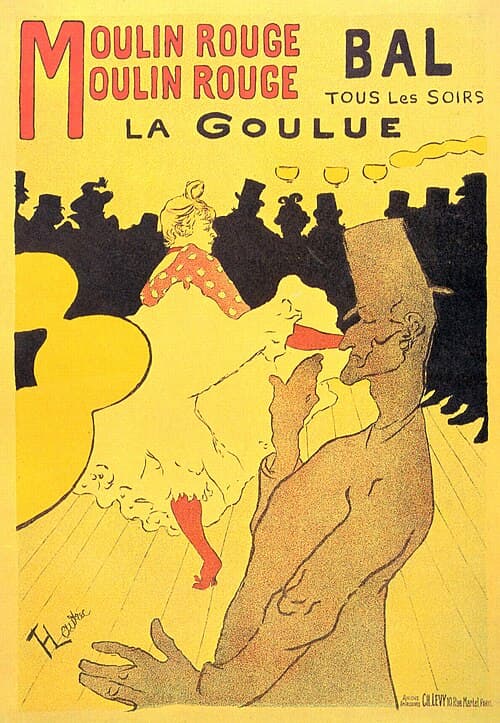
He painted posters for cabarets, he painted the dancers of the night, he recorded the people of the dark hours.
Beneath the dazzling stage lights in his paintings, loneliness was always hiding. Perhaps, in painting the dancers, Lautrec was also looking at his own wounds.
A Short, Incandescent Life
But in the end, his body began to give way under the weight of alcohol and an dissolute life.
And at thirty-six — far too young — he left this world.
A brief life. Yet he left behind the nights of Paris with an intensity no one else could match.
And so, looking at Lautrec's paintings, what you feel is not simply the splendor of a performance — it is something closer to a youth on the very edge of vanishing.
Perhaps that is the reason.
Even a hundred years on, the dance inside his paintings still looks as though it has not yet ended.