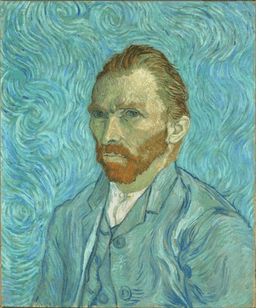
Self-Portrait
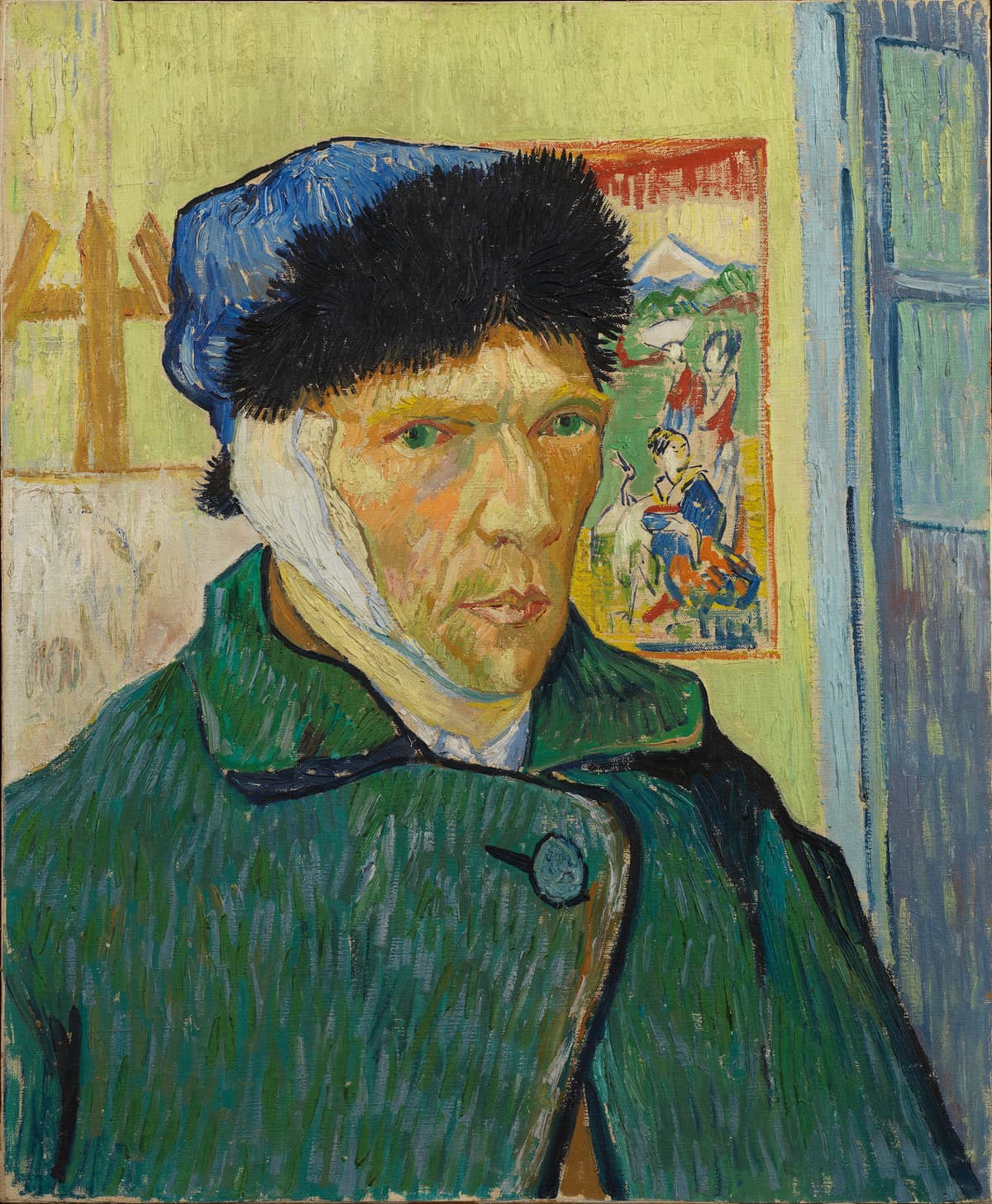
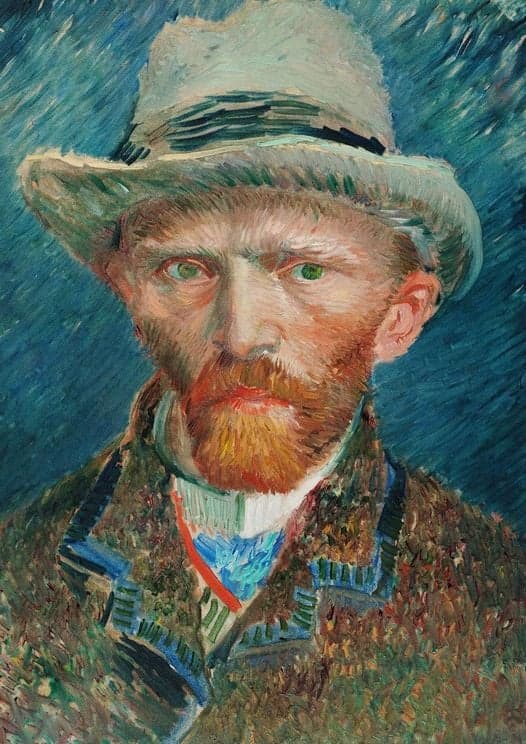
Over the roughly ten years he spent as a painter, Van Gogh produced more than forty self-portraits. Like Rembrandt, the artist he most admired, he returned again and again to his own face.
In a letter to his brother Theo, he mentioned purchasing a mirror specifically for the purpose of painting himself — a detail that speaks to how seriously he took the endeavor. Because he worked from a reflection, the image is laterally reversed. His gaze in these paintings never meets the viewer's head-on, another consequence of looking into a mirror as he painted.
Recording the Mind Through One's Own Face
Why did Van Gogh paint his own face so relentlessly?
For Van Gogh, the self-portrait was a form of confession.
People say — and I am utterly ready to believe it — that it is difficult to know yourself. But it is not easy to paint yourself either.
His self-portraits, as a result, are remarkably transparent records of his inner state at any given moment.
Trembling Brushstrokes, a Fracturing Mind
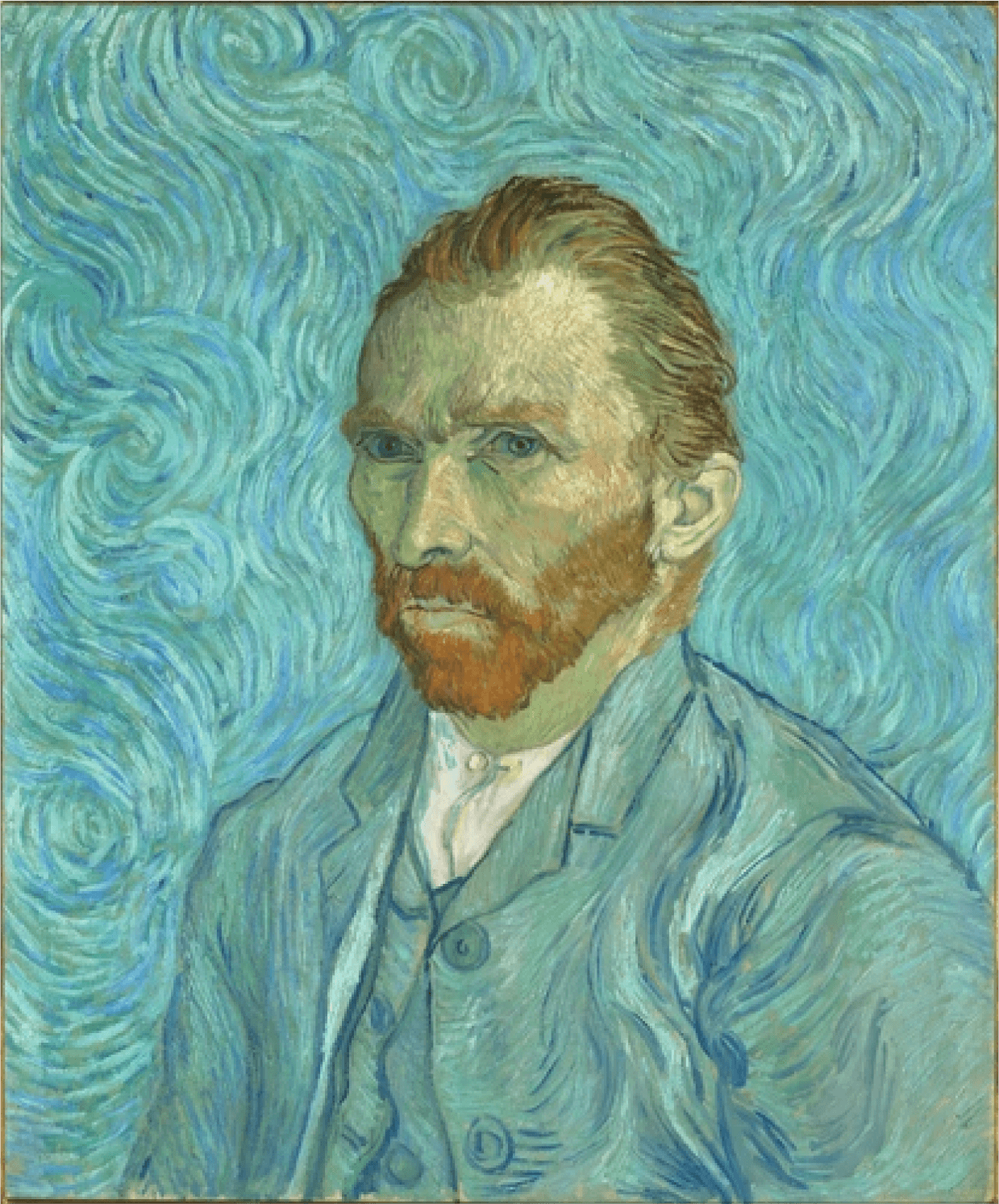
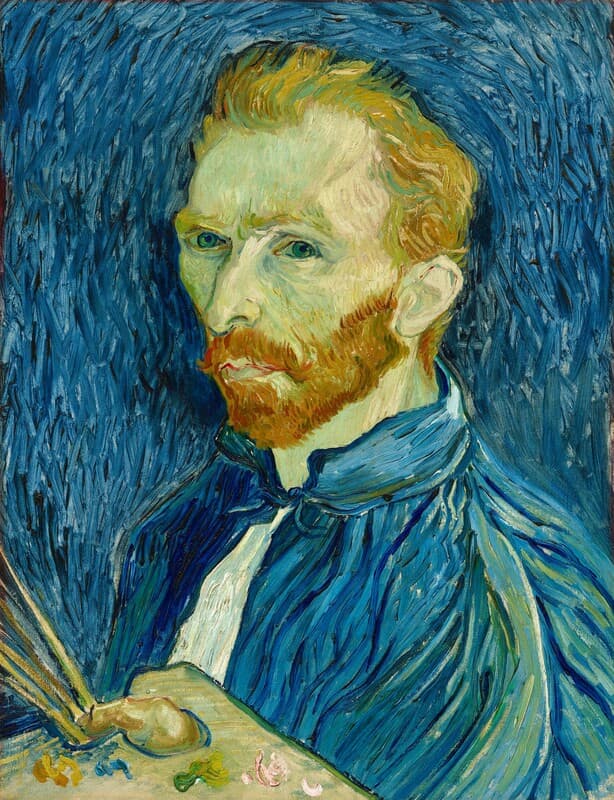
Coiling lines of blue and green, with an orange beard and hair burning all the more fiercely against them — the swirling, turbulent brushwork that seems to set the entire canvas trembling first began appearing with regularity during Van Gogh's time in Saint-Rémy.
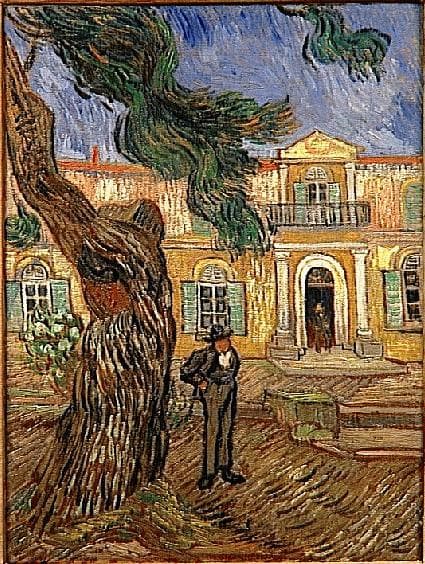
By then, his dream of an artists' community had collapsed entirely with Paul Gauguin's departure. Physically weakened and mentally unstable, he suffered from delusions, hallucinations, and recurring seizures. Recognizing at last the severity of his condition, Van Gogh committed himself voluntarily to the asylum at Saint-Rémy.
Yet he did not fear the institution itself. What truly terrified Van Gogh was the prospect of never being able to paint again.
Enduring for the Sake of Painting
In a letter to Theo, Van Gogh wrote:
"I clearly see that I must continue to paint, even if my mind shatters and my work consumes my body."
More terrifying than the confined life of the asylum was, for him, a life without painting.
And he made good on his word. Over the course of roughly a year in hospital, he completed more than 150 works — among them no fewer than six self-portraits.
A Man Who Wished to Remain a Painter Until the End
The self-portrait painted in September 1889 stands among the most intensely charged of all his self-portraits.
In it, Van Gogh wears a suit considerably neater than usual. His gaze is harder and steadier than in earlier works. Against the writhing background, he holds himself upright — as though refusing to be undone.
The incessant turbulence of his brushwork lays bare an unstable psyche, yet it also radiates a fierce determination to remain a painter to the last. This is not merely a likeness of a face — it reads as Van Gogh's testament, a record of a man clutching himself together even as everything around him gave way.